Parking remote control
Three voice agents handle the entry, the exit and the payment kiosk, and only pass to the help desk what truly needs someone.
- Sector
- Parking
- Service
- Voice agents
- Running since
- 2026
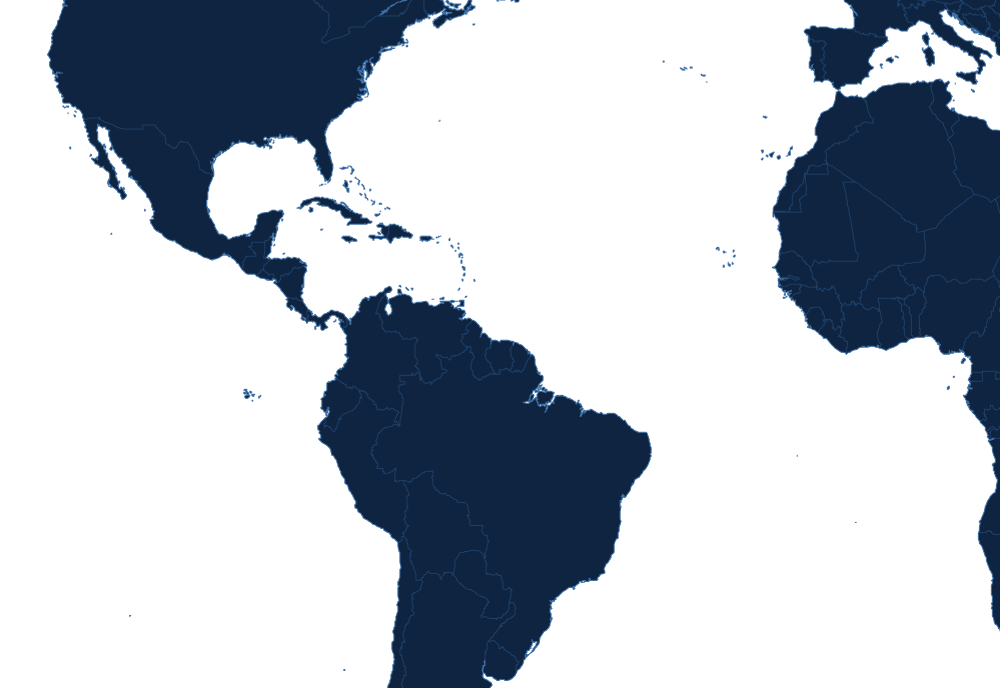
- Origin
- Chía · 4.86° N
- Destination
- 40.42° N · 3.70° W
- Distance
- ≈ 8,000 km
What changed
- 95%of calls resolved without passing to a person.
- 1:30minutes is the average length of a call.
- ≈ 60calls a day at two parking facilities in Madrid.
- The help desk only receives the cases that truly need someone.
- Today they answer in Spanish and can reply in the driver's language.
Situation
When a driver had a problem at the gate or the payment kiosk, they pressed a button with a microphone and speaker that called a help desk staffed by people. Every incident, however small, tied up an operator while the driver waited at the gate.
What we did · TRAZO Method
T · Trace the workflow
We split the calls by point of the journey: entry, exit and payment kiosk.
R · Rules or AI?
Looking up a session, checking a payment or sending a link are fixed operations in the parking system; understanding what the driver says, out loud and in a hurry, is work for AI.
A · Agent and human
At the entry, the agent connects to the parking software and creates the parking session. At the exit, it checks whether payment was made and, if not, sends an SMS with the payment link. At the kiosk, it helps with payment. If it cannot resolve the issue or lacks information, it passes the call to the help desk.
Z · Safe zone
Calls are not recorded, and the agent only acts on the session of the driver who is calling.
O · Objectives measured
Resolution without a person, call length and daily volume.